Brake Repair & Services in Chicago, IL

  • ASE-Certified Techs
  • Same-day diagnostics
  • Warranty-backed repairs
  • Financing available

When traffic suddenly slows on the expressway or a car stops short in front of you, your brakes need to respond immediately and predictably. Your braking system is the most important safety system on your vehicle, and even minor wear can drastically affect stopping distance, pedal feel, and your overall control of the vehicle.

Get professional brake repair and service in Chicago, IL, with careful inspections, accurate recommendations, and high-quality parts designed to restore safe, confident braking. Whether you need new brake pads, fresh hydraulic fluid, rotor replacement, or caliper service, our technicians focus strictly on the repairs your vehicle actually needs.
CALL NOW CALL NOW
Shop Tires on Sale for Chicago: choose from more than 90,000 options


Why Chicago Driving Is Hard on Brakes

Stop-and-go city driving puts constant, intense heat and friction into your brake system. That repeated, heavy braking wears down friction material significantly faster than highway driving, stresses your brake rotors, and can shorten the life of your hydraulic fluid.

Chicago roads add another brutal layer of wear. Freezing moisture, winter road salt, deep potholes, and long periods of idle traffic all contribute to rust buildup, sticking hardware, and uneven pad wear. Staying ahead of routine brake service is the only way to prevent annoying squeaks, steering wheel vibration, and much larger repair bills later.


Service quality we stand behind

like icon
10+ years
in business
money icon
12 month
warranty on labor
certificate icon
ASE-Certified
Technitians
car icon
All makes
and models

4.7

Trusted by Chicago drivers since 2011

United Tires started as a single tire shop on the Northwest Side and has grown to multiple locations across the city and suburbs. The core team hasn't changed much, most of our senior techs have been here over a decade. We work on everything from daily drivers to fleet vehicles and classic restorations, and we stand behind every repair with a 12-month warranty on parts and labor.


Request a quote

Tell us more about your issue and get a free consultation

CALL NOW


How Much Does Brake Service Cost?

Brake repair costs vary depending on the size and weight of your vehicle, the type of friction material required, and whether the issue is limited to wear items or involves hydraulic components.

Typical ranges:

Brake Pad Replacement per axle
$150 – $300
Pads and Rotors Replacement per axle
$300 – $600+
Brake Fluid Flush / Bleed
$100 – $200
Four-Wheel Alignment per wheel
$200 – $400+


Maintenance and Repair Brake Services We Offer
Brake Repair
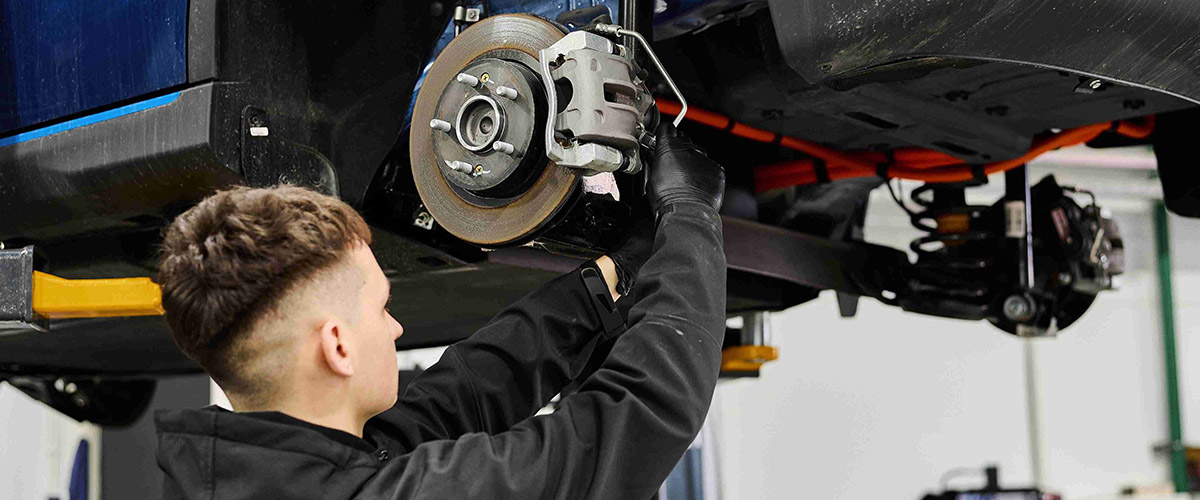
We provide focused, expert brake services for the mechanical parts and hydraulic systems that matter most to your stopping performance.
Brake pads are the friction material that physically clamps against the rotors to slow your vehicle. As they wear down, stopping power drops, noise increases, and dangerous metal-on-metal damage becomes a major risk.
Rotors provide the smooth metal surface your pads clamp onto. When they become too thin, deeply grooved, heat-spotted, or warped, braking can feel rough or shaky, and new pads will not perform as they should.
Some brake problems go far beyond pads and rotors. We diagnose and repair issues such as sticking hardware, uneven braking, ABS warning lights, failing master cylinders, and leaking hydraulic brake lines.
Brake fluid naturally absorbs moisture over time, which reduces its boiling point, lowers its effectiveness, and causes severe corrosion inside the hydraulic lines. A complete fluid flush removes the old, contaminated fluid and replaces it with fresh fluid to restore firm braking.
If air enters the sealed brake lines, your brake pedal can feel dangerously soft or spongy. A professional brake bleed removes trapped air bubbles and restores solid, responsive hydraulic pressure.
Brake calipers are the hydraulic clamps that squeeze the pads against the rotor. If a caliper sticks, leaks, or permanently seizes due to rust, the vehicle may pull hard to one side during braking, or one wheel may severely overheat.

Signs You Need Brake Service Immediately

Brake wear usually gives clear warning signs long before it becomes an emergency. If you notice any of the following, it is time for a professional brake inspection:
  • High-pitched squealing when braking (indicating low pads)
  • Harsh metal-on-metal grinding noises from the wheels
  • The brake pedal feels dangerously soft, spongy, or goes to the floor
  • The steering wheel or brake pedal shakes and pulses while stopping
  • The car pulls aggressively to one side under heavy braking
  • The red "BRAKE" or amber "ABS" dashboard warning light stays on
  • A burning chemical smell or unusual heat radiating from a wheel
  • Noticeably reduced braking power or increased stopping distance

How to Tell If Your Braking Power Is Reduced

Because brake pads wear away a fraction of a millimeter at a time, you naturally adapt your driving style to compensate. This slow fade makes it incredibly difficult to realize just how much stopping power you’ve actually lost. To test if your braking efficiency is compromised, pay attention to the "pedal travel." Do you have to push the brake pedal noticeably closer to the floorboard than you used to before the car begins to slow down? If you have to brake suddenly, does the front end dive aggressively, or does the car take an extra two car-lengths to come to a complete stop? This phenomenon, known as "brake fade," is often caused by glazed brake pads, boiling hydraulic fluid, or deeply grooved rotors. If your pedal feels soft or your stops feel longer than they used to, your safety margin in stop-and-go Chicago traffic is already gone. Have a professional inspect the system before a close call becomes an accident.

The Legal Cost of Ignoring Bad Brakes in Illinois

Driving on worn brakes isn’t just a safety risk—it is a massive liability. Under Illinois law, vehicle owners have a strict legal duty to keep their vehicles in a safe, roadworthy condition. If you rear-end someone on the Dan Ryan Expressway because your vehicle couldn't stop in time, you cannot simply blame the accident on "bad brakes." In the eyes of Illinois courts and insurance companies, failing to maintain your brakes is considered active negligence.
That means if your worn-out brake pads cause an accident, you could be held 100% financially liable for the other driver's medical bills and property damage. Spending a few hundred dollars on a routine brake service today doesn't just protect your life; it actively protects you from devastating lawsuits and skyrocketing insurance premiums.

A Small Brake Service Today Prevents Bigger Costs Later

We know brake work is rarely something people look forward to paying for, but handling it early is the ultimate money-saver. When worn brake pads are ignored, the remaining friction material disappears and the steel backing plate begins grinding directly into the rotor. That extreme metal-on-metal heat instantly destroys expensive rotors, overworks the calipers, and turns a relatively simple brake pad replacement into a massive, multi-part repair bill. Taking care of brake service at the first sign of a squeak protects both your stopping power and your budget.

Our Process: Inspect, Measure, and Repair

We do not guess when it comes to your safety. We follow a strict, methodical process to ensure your brakes are repaired correctly the first time.

1. Road Test and Symptom Check

We begin by confirming your complaint. If you mention squeaking, grinding, pulling, or pedal softness, we road test the vehicle (when safe to do so) to feel the symptom directly and narrow down where the problem is occurring.

2. Wheel-Off Brake Inspection

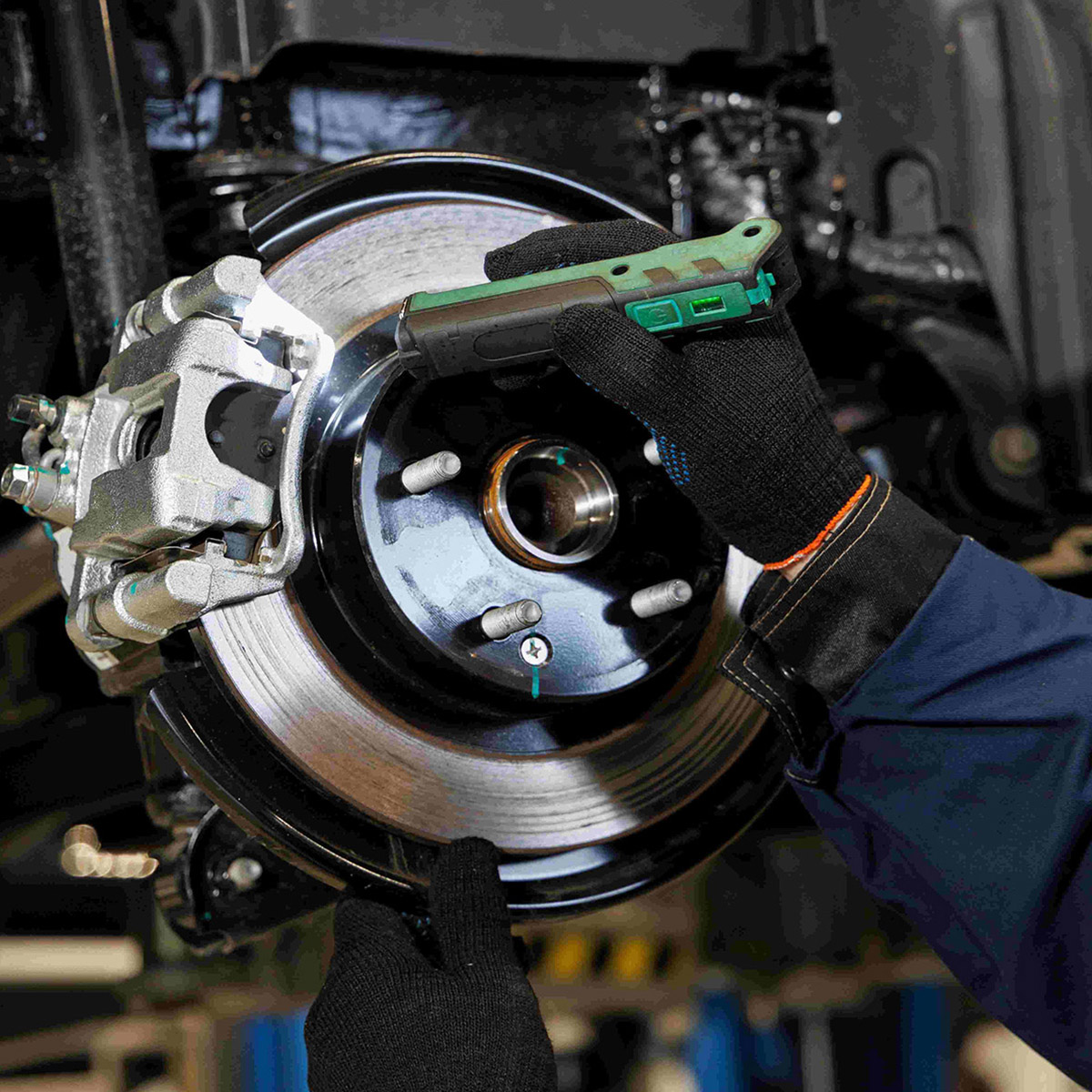
A proper brake inspection means more than just looking through the wheel spokes with a flashlight. We remove the wheels and inspect the braking components directly. This includes:
  • Using a micrometer to measure exact brake pad thickness
  • Measuring rotor thickness against factory minimum service limits
  • Checking rotor surfaces for deep grooves, hot spots, and warping
  • Inspecting calipers for sticking slide pins, leaking seals, or uneven movement

3. Hydraulic System Check

Brake performance relies heavily on hydraulics. We inspect the fluid condition, test for moisture contamination, and check the flexible rubber brake hoses for dangerous cracking or bulging under pressure.

4. Clear Recommendations

Once we know exactly what is happening, we explain it clearly. If only the front pads are low, we will tell you that. If the rear brakes still have 50% of their life left, we will never pressure you to replace them unnecessarily.

5. Precision Installation

When repairs are approved, we install the necessary parts carefully and correctly. We clean rust from the hub contact points, lubricate the caliper slide pins with high-temp brake grease, fit new anti-rattle hardware, and properly torque all components to factory specifications.

6. Final Verification

After the repair, we confirm the system is operating perfectly. We bed-in (break-in) the new friction material and road test the vehicle to verify a firm pedal, quiet stopping, and straight tracking. Because brake safety depends on both proper parts selection and careful installation, every brake service we complete is backed by our warranty. That added coverage supports the quality of the work performed and the components used in the repair.

DIY vs. Professional Brake Service

Brake work can look simple in YouTube “DIY Brakes Repair”, but modern brake systems leave very little room for error. Even a small installation mistake can lead to uneven braking, horrific squealing noises, premature wear, or entirely unsafe pedal feel.

Common DIY Mistakes Avoided with Professional Service

Choosing a certified mechanic helps you avoid common repair mistakes such as:
  • Installing perfectly flat new pads onto warped or grooved rotors (causing instant squealing)
  • Failing to lubricate slide pins, causing the new pads to seize and burn up in weeks
  • Reusing rusted, bent hardware clips that cause uneven pad wear
  • Letting air into the master cylinder, resulting in a complete loss of hydraulic braking pressure
  • Improperly compressing electronic parking brake calipers, destroying the expensive internal motors

Protected by Our Brake Service Warranty

Your braking system works under constant heat, friction, and pressure, which is why repair quality matters just as much as the parts themselves. We use high-quality brake components and complete every service with careful attention to fit, function, and long-term reliability.
For added confidence, every brake service we perform is backed by our 1-Year Unlimited Mileage Warranty Against Manufacturing Defects & Failures covering both parts and labor. That means when your repair is completed, you leave with brake work supported by coverage you can count on.


Frequently Asked Questions (FAQ)

How often should brake pads be replaced?
It depends heavily on your driving habits, vehicle weight, and traffic conditions. In heavy Chicago stop-and-go traffic, front brake pads generally wear out between 30,000 and 40,000 miles, while highway drivers may see 60,000 miles. We recommend a visual inspection at every oil change.
Do I need new rotors every time I replace the pads?
Not always. If the rotors are still perfectly flat, above the minimum thickness specification, and in good condition, they may not need replacement. However, if they are too thin, heavily grooved, warped, or heat-spotted, replacing them is the only way to guarantee quiet, vibration-free braking.
What is the difference between a brake bleed and a brake fluid flush?
A brake bleed simply removes trapped air bubbles from the brake lines at the wheel to restore a firm pedal. A brake fluid flush replaces all the old, moisture-contaminated fluid in the entire system with fresh fluid to maintain hydraulic performance and prevent internal rusting.
Can bad brake fluid affect braking performance?
Yes. Old brake fluid absorbs moisture over time. Under heavy braking, that moisture can actually boil into steam. Because steam compresses (while fluid does not), your brake pedal will suddenly sink to the floor, resulting in a terrifying loss of stopping power.
Why does my car still make noise after brake service?
Brake noise can come from several sources, including cheap pad material, a warped rotor, bent hardware clips, or a sticking caliper. That is why a complete inspection matters—simply slapping on a new set of pads does not always solve the real cause of the noise.
Can I change my brake pads myself?
While replacing brake pads is a common DIY project, modern braking systems leave very little room for error. Mistakes like failing to properly lubricate the caliper slide pins, twisting a hydraulic brake hose, or improperly retracting an electronic parking brake can lead to complete brake failure or thousands of dollars in damage. Because your brakes are your vehicle's most critical safety system, we highly recommend leaving this service to certified professionals.


Restore Safe, Reliable Braking

Brake problems never “get better on their own”. Addressing squeaks, grinding, vibration, or a soft pedal early helps protect your rotors, calipers, and overall stopping performance before the repair becomes far more expensive, legal liabilities hit hard, or your safety is severely compromised.
Need a Professional Opinion?
Our technicians provide careful brake inspections, honest recommendations, and high-quality repairs focused purely on safe, dependable stopping power. No guesswork. No cheap squeaking parts. Just brake service done correctly.


Schedule your service today

CALL US


Related Services