Professional Brake Disc (Rotor) Replacement in Chicago, IL

  • ASE-Certified Techs
  • Same-day diagnostics
  • Warranty-backed repairs
  • Financing available

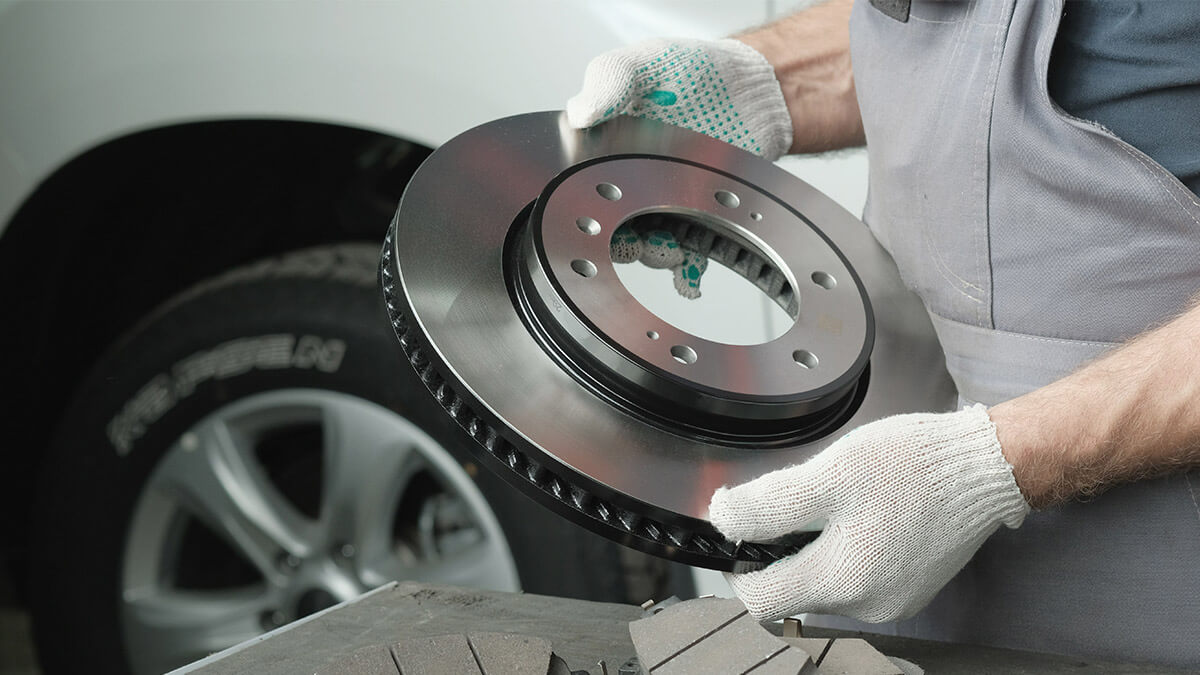
Your brake discs, also called rotors, provide the solid metal surface your brake pads clamp against every time you slow down. If those discs become warped, deeply grooved, overheated, or worn too thin, your vehicle can no longer stop as smoothly or predictably as it should.

Professional brake disc replacement in Chicago, IL restores a flat, stable braking surface so your pads can work correctly again. If your steering wheel shakes, your pedal pulses, or your brakes feel rough during stops, damaged rotors are often a major part of the problem.
CALL NOWCALL NOW
Brake Rotor Replacement in Chicago, IL


Vehicles We Service in Chicago, IL

Whether you drive a reliable daily commuter or a high-performance luxury car, our certified technicians in Chicago, IL, have the expertise and specialized tools to get the job done right. Check the list below to see the major domestic and import makes we service:
Acura
Aston Martin
Audi
BMW
Cadillac
Chevrolet
Chrysler
Dodge
Ferrari
Ford
Honda
Hyundai
Infiniti
Jaguar
Jeep
Kia
Lamborghini
Land Rover
Lexus
Mazda
Mercedes-Benz
MINI
Nissan
Porsche
Ram
Subaru
Tesla
Toyota
Volkswagen
Volvo


Service quality we stand behind

like icon
10+ years
in business
money icon
12 month
warranty on labor
certificate icon
ASE-Certified
Technitians
car icon
All makes
and models

4.7

Trusted by Chicago drivers since 2011

United Tires started as a single tire shop on the Northwest Side and has grown to multiple locations across the city and suburbs. The core team hasn't changed much, most of our senior techs have been here over a decade. We work on everything from daily drivers to fleet vehicles and classic restorations, and we stand behind every repair with a 12-month warranty on parts and labor.


Request a quote

Tell us more about your issue and get a free consultation

CALL NOW


How Much Does Brake Disc Replacement Cost?

Rotor replacement cost depends on the size of the vehicle, the type of braking system, and whether related parts were damaged along with the discs.

Typical range:

Pads and Rotors Replacement (Standard Cars)
$300 – $450 per axle
Pads and Rotors Replacement (Trucks and SUVs)
$400 – $600+ per axle
Performance or European Rotor Systems
Higher, depending on disc design and manufacturer requirements


What Do Brake Discs (Rotors) Do?

Brake discs are the heavy metal discs mounted behind each wheel. When you press the brake pedal, the caliper squeezes the pads against the spinning disc, converting motion into friction and heat.
That means rotors do far more than just “sit there.” They must absorb intense heat and friction whilst staying dimensionally stable, and provide an even surface for the pads to grip. Once that surface becomes uneven or the disc drops below safe thickness, braking performance begins to suffer.

Signs You May Need Brake Disc Replacement

Rotor problems usually show up through vibration, roughness, noise, or heat-related braking issues. Bring your vehicle in for a professional Brake Inspection if you notice:
  • Steering Wheel Shaking While Braking: This is one of the most common signs of front rotor distortion or uneven rotor wear.
  • Brake Pedal Pulsation: If the pedal pushes back or throbs under your foot, the rotor surface may no longer be even.
  • Grinding Noise During Stops: If the pads have worn down fully, the metal backing plate may be cutting directly into the disc.
  • Deep Grooves on the Rotor Surface: Heavy scoring reduces pad contact and affects braking smoothness.
  • Longer Stopping Distances: Uneven or damaged discs reduce the efficiency of pad-to-rotor contact.
  • Visible Heat Spots or Blueing: Excessive heat can harden sections of the rotor and create braking inconsistency.

Why Brake Discs Fail

Rotors wear down because they live under constant heat, pressure, and friction. In Chicago driving conditions, repeated stop-and-go braking, potholes, winter corrosion, and long idle traffic all make rotor wear more aggressive.
Common causes include:
  1. Normal Wear Over Time

    Every stop removes a tiny amount of metal from the rotor surface.

  2. Excessive Heat Build-Up

    Repeated hard braking can overheat the disc and cause warping, hard spots, or thickness variation.

  3. Metal-on-Metal Pad Wear

    Once the brake pad friction material is gone, the steel backing plate damages the rotor very quickly.

  4. Rust and Corrosion

    Moisture and road salt can create severe outer-edge rust and surface deterioration.

  5. Sticking Calipers or Hardware

    If the pads do not release correctly, one rotor can overheat and wear unevenly.

What Happens When Rotors Are Worn or Damaged?

Rotor condition affects far more than just noise during braking. It directly changes how the vehicle behaves under braking conditions, affecting braking efficiency and creating hazardous situations for you, other motorists and pedestrians.

Uneven Braking Feel

If the disc surface is not flat, the pads cannot clamp consistently. That often creates pedal pulsation, rough stops, and a general sense that the brakes are not working evenly.

Vibration Through the Steering Wheel

When front rotors develop thickness variation or heat-related distortion, the vibration often transfers into the steering wheel during braking, especially at higher speeds.

Reduced Pad Performance

New pads need a clean, stable rotor surface to bed in correctly. Installing fresh pads against a badly grooved or overheated disc often leads to noise, poor contact, and shortened pad life.

Longer, Less Predictable Stops

When the rotor surface is compromised, braking becomes less smooth and less controlled. That matters most in emergency stops, heavy traffic, and wet conditions, that are often the case whilst driving in Chicago Il.

When Vibration is Not the Brakes

It is important to note that a warped brake disc will typically only cause the steering wheel or vehicle to shake while you are actively pressing the brake pedal. If your steering wheel is vibrating while you are simply driving or coasting down the highway, the problem is likely not your rotors.
In these cases, we highly recommend scheduling a comprehensive Suspension Inspection so our technicians can evaluate your tie rods, ball joints, control arms, and wheel balance to pinpoint the exact cause of the instability.

Clear Findings and Professional Recommendations

A proper Brake Inspection helps determine whether the issue is the pads, the discs, the calipers, or the hydraulic system. Once the condition of the braking components is confirmed, the correct repair path becomes much clearer.

When the Disc Surface Is No Longer Serviceable

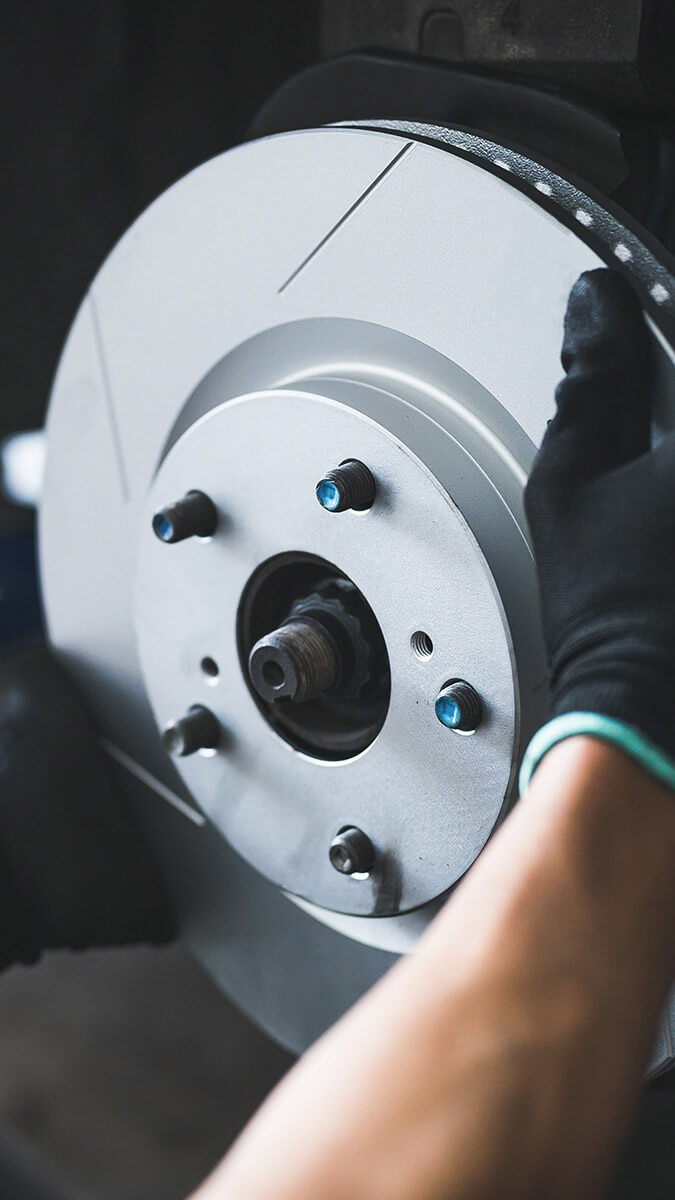
If the rotor is deeply grooved, heat-damaged, below minimum thickness, or causing vibration during braking, Brake Disc (Rotor) Replacement is the appropriate repair. Replacing the worn discs restores a proper braking surface and allows the system to operate smoothly again.

When the Pads Have Also Been Affected

Rotors and pads wear together. If the rotor is damaged, the pads are often worn unevenly, overheated, or contaminated by the same issue. In many cases, Brake Pad Replacement is recommended at the same time so the new components can work together correctly.

When a Caliper Has Caused Overheating

If one rotor shows unusual heat damage, scoring, or one-sided wear, the root cause may be a sticking caliper. In that case, Brake Caliper Replacement may also be required to prevent the new disc from suffering the same damage.

When the Hydraulic System is Compromised

If pedal feel is soft in addition to vibration or rough stopping, the issue may extend beyond the discs alone. Depending on what we find, the next step may include a Brake Fluid Flush or Brake Bleed to restore proper hydraulic response.


What Changes After Rotor Replacement?

Brake Rotor Replacement
Replacing damaged brake discs restores the flat, stable surface your pads need in order to stop the vehicle evenly. Once the new components are installed correctly, braking should feel smoother, more controlled, and more predictable.
After repair, drivers often notice:
  • Smoother stops with less shaking or pulsation.
  • Better pad contact and more even braking response.
  • Less steering wheel vibration during highway-speed braking.
  • Reduced noise caused by scored or overheated rotor surfaces.
  • More confidence during sudden or repeated stops.

Why Replacing Damaged Rotors Early Matters

Rotor problems are usually less expensive to address when caught before they damage surrounding parts. If rough braking is ignored for too long, worn discs can quickly ruin newer pads, increase heat in the calipers, and turn a focused repair into a larger brake job. Handling the problem early helps keep the repair limited to the components that actually need attention.
A vehicle that shakes, pulses, or stops unevenly under braking is no longer performing the way it should in traffic. If damaged discs increase stopping distance or contribute to loss of control, that condition can become important after a collision when fault, maintenance history, and vehicle condition are examined. Keeping the braking surface in proper working order is part of keeping the vehicle safe and roadworthy

Our Rotor Replacement Process

We follow a precise process to make sure the repair is complete and the braking system is restored correctly:
  1. Confirm the Complaint

    We road test the vehicle when appropriate and verify whether the issue is vibration, pulsation, grinding, or rough braking. Brake inspection is done to establish the braking system condition objectively, confirming whether the brake disc requires replacement.

  2. Measure Rotor Condition

    We inspect the rotor surface and measure thickness against manufacturer specifications to determine whether replacement is required.

  3. Inspect Related Components

    We check brake pads, calipers, and hardware for uneven wear, overheating, or sticking that may have contributed to rotor damage.

  4. Install New Discs and Related Parts

    We remove the worn rotors, prepare the hub surface correctly, and install replacement discs with proper fitment and hardware.

  5. Fit Matching Pads as Needed

    Where appropriate, we replace the pads so they bed properly into the new rotor surface.

  6. Verify Smooth Operation

    We confirm correct pedal feel, quiet operation, even braking response, and stable stopping performance. Since rotor replacement depends on correct fitment, careful installation, and system verification, every brake disc service is backed by our warranty, reflecting the quality of both the repair work and components used, every brake disc service we perform is backed by our 1-Year Unlimited Mileage Warranty Against Manufacturing Defects & Failures. That added coverage reflects the quality of both the repair work and the components used during service.

DIY vs. Professional Rotor Replacement

Rotor replacement may look simple, but correct installation depends on more than swapping one disc for another. Brake vibration often returns quickly when the underlying cause is missed or the new rotor is not mounted perfectly true.

Common DIY Mistakes Avoided with Professional Service

Modern brakes are precision requiring systems, responsible for your safety on the road. Choosing professional service helps to avoid problems such as:
  • Installing new pads against damaged old discs.
  • Failing to clean hub rust, causing immediate rotor runout.
  • Missing a sticking caliper that overheats the new rotor again.
  • Reusing damaged hardware that affects pad movement.
  • Improper torque procedures that create uneven rotor seating.


Confidence Behind Every Rotor Replacement

Brake discs operate under constant heat, pressure, and repeated braking loads, so replacement quality matters just as much as the parts themselves. We use dependable rotor components designed for proper fit, smooth braking feel, and consistent day-to-day performance.
For added peace of mind, every brake disc replacement we perform is backed by our 1-Year / Unlimited Mileage warranty covering both parts and labor.


Frequently Asked Questions (FAQ)

Do brake discs and rotors mean the same thing?
Yes. “Brake disc” and “brake rotor” are two names for the same component. Both refer to the metal disc the pads clamp onto during braking.
Do I need new pads when replacing the rotors?
In most cases, yes. Pads and rotors wear together, and new rotors perform best when paired with fresh pads that can bed into the new surface properly.
Can rotors be resurfaced instead of replaced?
Sometimes, but not always. Modern rotors are often lighter and thinner than older designs, which means there may not be enough material left to machine them safely. If the disc is below specification, heavily grooved, heat-damaged, or warped, replacement is the better option.
Can bad rotors make the steering wheel shake?
Yes. Front rotor problems are one of the most common causes of steering wheel vibration during braking, especially from higher speeds.
How long do brake rotors usually last?
That depends on driving style, vehicle weight, traffic conditions, and the condition of the pads and calipers. In heavy city driving, rotors often wear faster because they are exposed to more heat and repeated stopping cycles.
Restore Smooth, Stable Braking
Worn or damaged brake discs can make every stop feel rough, noisy, and unpredictable. Replacing them at the right time helps restore smoother braking, protects the rest of the system, and improves confidence behind the wheel.


Stop Guessing and Start Driving Safely

Don't let a mystery squeal or a soft pedal ruin your confidence behind the wheel. Getting to the bottom of your stopping issue is a straightforward, professional process.


Need a Professional Opinion?

Our local Chicago mechanics perform careful evaluations to determine whether the problem is the rotors themselves or another related brake component. You get a clear diagnosis, the correct repair path, and dependable stopping performance.
CALL US AT +1-312-212-0546


Related Services