Professional Brake Caliper Replacement in Chicago, IL

  • ASE-Certified Techs
  • Same-day diagnostics
  • Warranty-backed repairs
  • Financing available

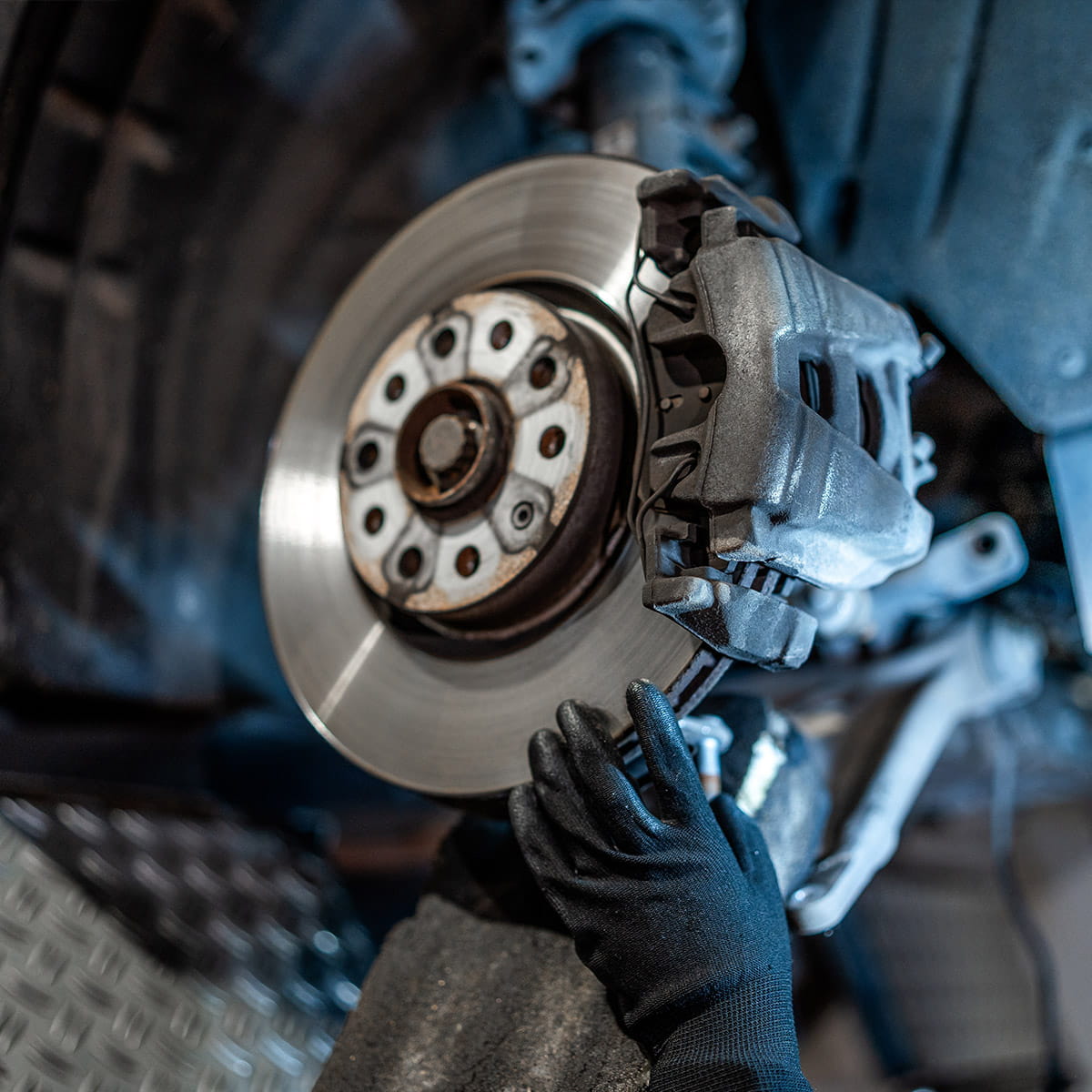
When you press the brake pedal, your calipers are the components that apply hydraulic force to squeeze the brake pads against the rotors. If a caliper sticks, leaks, or seizes, your vehicle can no longer brake evenly or release properly after a stop.

A failing caliper is more than a nuisance. It can cause the car to pull to one side, overheat a wheel, wear out brake pads unevenly, and place dangerous stress on the rest of the braking system. Professional Brake Caliper Replacement in Chicago, IL restores proper clamping force, balanced braking, and safe, predictable stopping performance.
CALL NOWCALL NOW
Shop Tires on Sale for Chicago: choose from more than 90,000 options


Vehicles We Service in Chicago, IL

Whether you drive a reliable daily commuter or a high-performance luxury car, our certified technicians in Chicago, IL, have the expertise and specialized tools to get the job done right. Check the list below to see the major domestic and import makes we service:
Acura
Aston Martin
Audi
BMW
Cadillac
Chevrolet
Chrysler
Dodge
Ferrari
Ford
Honda
Hyundai
Infiniti
Jaguar
Jeep
Kia
Lamborghini
Land Rover
Lexus
Mazda
Mercedes-Benz
MINI
Nissan
Porsche
Ram
Subaru
Tesla
Toyota
Volkswagen
Volvo


Service quality we stand behind

like icon
10+ years
in business
money icon
12 month
warranty on labor
certificate icon
ASE-Certified
Technitians
car icon
All makes
and models

4.7

Trusted by Chicago drivers since 2011

United Tires started as a single tire shop on the Northwest Side and has grown to multiple locations across the city and suburbs. The core team hasn't changed much, most of our senior techs have been here over a decade. We work on everything from daily drivers to fleet vehicles and classic restorations, and we stand behind every repair with a 12-month warranty on parts and labor.


Request a quote

Tell us more about your issue and get a free consultation

CALL NOW


How Much Does Brake Caliper Replacement Cost?

Caliper replacement costs vary based on the vehicle, whether the front or rear caliper is affected, and whether related components were damaged by overheating.

Typical range:

Brake Caliper Replacement
$200 – $400+ per wheel
Caliper with Pads and/or Rotor Service
Higher, depending on how much secondary damage the sticking caliper has caused.


What Does a Brake Caliper Do?

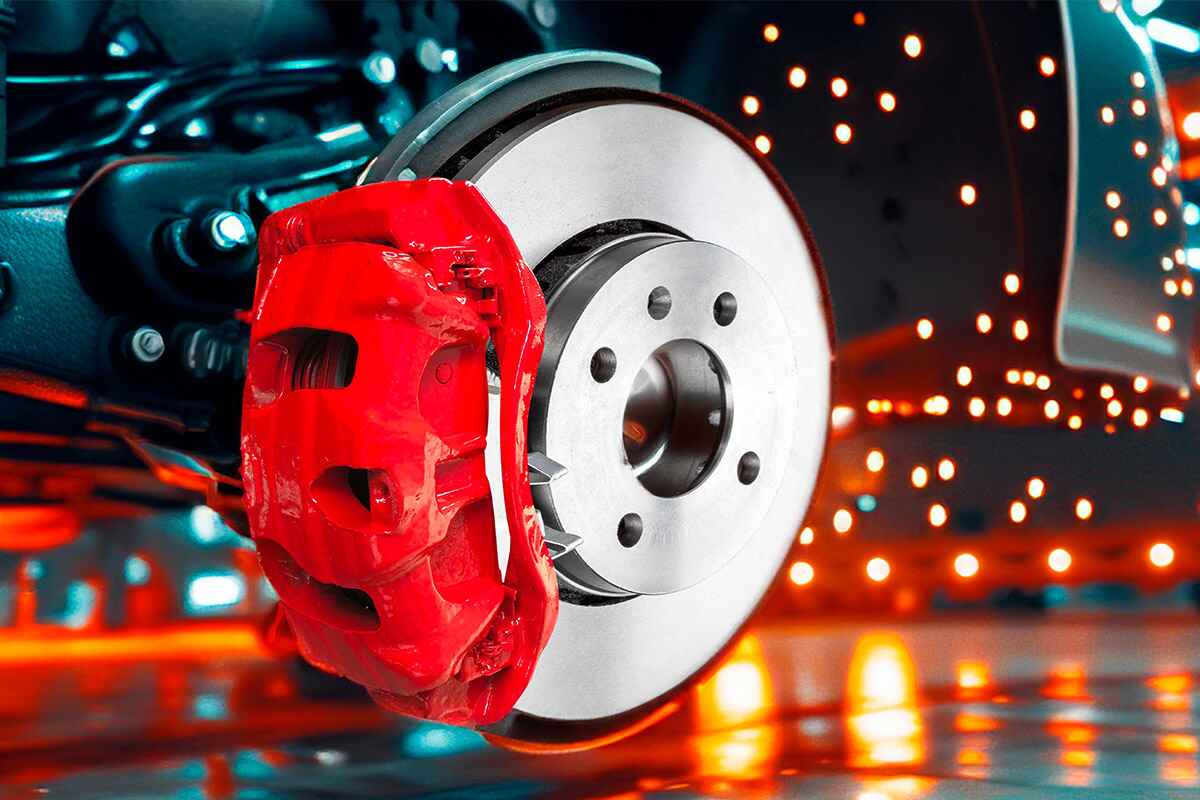
A brake caliper acts as the hydraulic clamp of your disc brake system. When you step on the brake pedal, pressurized brake fluid moves the caliper piston outward, forcing the brake pads into the rotor to slow the vehicle.
For that process to work correctly, the caliper piston must extend and retract smoothly, and the slide pins must move freely. If either part binds due to rust, contamination, internal seal failure, or heat damage, the pads may stay pressed against the rotor or fail to clamp evenly during braking.

Signs You May Need Brake Caliper Replacement

Caliper problems usually show up as braking imbalance, overheating, or abnormal pad wear. If you are experiencing issues, getting a professional brake caliper check is critical. Bring your vehicle in if you notice any of the following:
  • Vehicle Pulling During Braking: The car drifts or jerks left or right when you apply the brakes.
  • One Wheel Running Extremely Hot: A sticking caliper can keep the pad pressed against the rotor, creating constant heat and friction.
  • Burning Smell Near a Wheel: Overheated brake components often produce a sharp, acrid odor after driving.
  • Uneven Brake Pad Wear: One inner or outer pad wears much faster than its mate on the same wheel.
  • Reduced Fuel Economy or Dragging Sensation: A seized caliper can create rolling resistance even when you are not braking.
  • Visible Brake Fluid Leak: If fluid is leaking around the caliper piston or bleeder area, hydraulic pressure and braking performance are compromised.
  • Steering Wheel Vibration After Overheating: Excessive heat from a stuck caliper can damage the rotor and create vibration during braking.


Why Brake Calipers Fail
Brake Caliper Replacement
Brake calipers work in an environment filled with heat, moisture, road salt, and brake dust. In Chicago, winter corrosion is one of the biggest reasons calipers begin to fail.
Common causes include:
  • Seized Slide Pins: Rust or dried lubricant prevents the caliper from moving laterally as designed.
  • Stuck Piston: Internal corrosion or seal failure causes the piston to bind inside the bore.
  • Torn Dust Boot: Once the protective boot is damaged, water and debris enter the caliper and accelerate corrosion.
  • Brake Fluid Contamination: Old fluid can carry moisture through the hydraulic system and contribute to internal damage.
  • Heat Overload: Repeated overheating can damage seals and reduce the caliper’s ability to retract properly.

What Happens When a Caliper Starts Sticking?

A sticking caliper does not just affect one part. It changes how the entire brake corner behaves.

Pad Damage

When the caliper does not release properly, the brake pad stays in contact with the rotor. That constant friction wears the pad down rapidly and can glaze the friction surface, reducing braking effectiveness.

Rotor Damage

A dragging pad creates intense localized heat. That heat can score the rotor, create hot spots, or warp the disc, leading to vibration and rough braking.

Pulling and Instability

If one caliper clamps harder than the opposite side, the vehicle can pull during braking. That makes emergency stops less controlled and less predictable.

Heat Stress on Nearby Parts

Excessive brake heat can shorten the life of wheel bearings, fluid seals, and even the flexible brake hose connected to that corner.

Clear Findings and Professional Recommendations

We do not guess when it comes to your hydraulic system. A proper diagnosis helps determine whether the issue is truly the caliper, the hose, the pads, the rotor, or a problem elsewhere in the system.
Brake caliper problems are not always as straightforward as they first appear, which is why accurate diagnosis matters just as much as the repair itself. Every caliper service we perform is backed by our warranty, assuring the quality of the work and the care taken to resolve the issue properly.

When the Caliper Is the Main Problem

If the piston is seized, the housing is leaking, or the slide mechanism is no longer moving correctly, Brake Caliper Replacement is the proper repair. Replacing the faulty unit restores even clamping force and allows the brake pads to engage and release the way they should.

When the Pads Have Been Damaged Too

If the caliper has been dragging for some time, the pads are often overheated or worn unevenly. In that case, Brake Pad Replacement is commonly recommended at the same time so the new caliper is not paired with compromised friction material.

When the Rotor Has Been Overheated

A stuck caliper often transfers damaging heat directly into the rotor. If the rotor is deeply scored, heat-spotted, or warped, Brake Rotor Replacement may also be necessary to restore smooth, balanced braking.

When the Hydraulic System Also Needs Service

If the caliper has leaked or the system has been opened during repair, a Brake Bleed is usually required to remove air from the lines. If the brake fluid is dark or moisture-contaminated, a Brake Fluid Flush may be appropriate as well.

Why Fixing a Sticking Caliper Early Matters

Caliper problems are usually less expensive to handle when caught early. Replacing one failing hydraulic component is far more manageable than replacing the caliper, pads, rotor, fluid, and hose after weeks of heat damage. Early diagnosis helps contain the problem to the smallest repair that actually matches the condition of the vehicle.

The Risk of Driving with Uneven Braking

A vehicle that pulls during braking or drags one wheel is no longer stopping in a balanced, predictable manner. That creates a serious safety issue in traffic and can become an important liability factor after a collision. If a known braking imbalance contributes to loss of control, increased stopping distance, or contact with another vehicle, the condition of the brake system may become central to questions of fault and responsibility.

Our Caliper Replacement Process

We follow a precise process to make sure the repair is complete and the system is restored correctly.

1. Comprehensive Brake Inspection

Before turning any wrenches, we evaluate the entire braking corner. This dedicated Brake Inspection verifies whether the problem is actually the caliper, a collapsed brake hose, or simply rusted hardware, ensuring you only pay for what is broken.

2. Remove the Failed Caliper

Once confirmed, the damaged caliper is removed carefully, along with any worn hardware or compromised hydraulic seals.

3. Inspect Related Components

We evaluate the pads and rotor for heat damage, uneven wear, and scoring caused by the failed caliper.

4. Install the Replacement Unit

We fit the new caliper, service or replace the hardware as needed, and confirm proper movement on the guide pins.

5. Bleed the Hydraulic System

Any trapped air is removed from the brake lines so full hydraulic pressure is restored

6. Verify Brake Performance

We confirm proper pedal feel, smooth caliper release, even braking action, and safe road operation.

DIY vs. Professional Caliper Replacement

Replacing a caliper is not just a parts swap. It involves hydraulic integrity, correct hardware installation, and complete air removal from the brake system.

Common DIY Mistakes Avoided with Professional Service

Choosing a professional repair helps avoid problems such as:
  • Twisting or damaging the flexible brake hose during installation.
  • Failing to bleed the hydraulic system completely.
  • Reusing overheated pads that were damaged by the seized caliper.
  • Missing a collapsed brake hose that mimics caliper failure.
  • Improperly lubricating or torquing hardware, causing repeat sticking or noise.


Confidence in the Repair, Backed Up by Warranty

Brake caliper replacement has to do more than swap out a failed component. The repair has to restore balanced hydraulic force, smooth caliper movement, and reliable braking behavior.
That is why every brake caliper replacement we perform is backed by our 3-Year / Unlimited Mileage warranty covering both parts and labor. It is one more way we stand behind the quality of the repair and the confidence that should come with getting the job done correctly.


Frequently Asked Questions (FAQ)

Can one bad caliper make my car pull to one side?

Yes. If one caliper applies more force than the other, or if one side is dragging while the other is not, the vehicle can pull noticeably during braking.

Should calipers be replaced in pairs?

Not always. If only one caliper has failed and the opposite side is operating correctly, replacing the failed unit may be appropriate. However, on higher-mileage vehicles or when wear is very similar side to side, replacing calipers in pairs can sometimes be the better long-term solution.

Can a bad caliper ruin a rotor?

Yes. A sticking caliper can keep the pad pressed against the rotor continuously, creating excessive heat, grooves, and warping. That is why rotor condition should always be checked when caliper failure is found.

Can a bad brake hose feel like a bad caliper?

Yes. A collapsed brake hose can restrict fluid return and cause a caliper to remain applied, which can mimic caliper seizure. That is why a proper diagnosis matters before parts are replaced.

Do you need to bleed brakes after replacing a caliper?

Yes, in most cases. Opening the hydraulic system allows air to enter, and that air must be removed to restore full brake pressure and safe pedal feel.


Restore Straight, Balanced Braking

A sticking or leaking caliper can quickly damage other brake components and make your vehicle harder to control under braking. Replacing the failed unit promptly helps restore proper braking balance and protects the rest of the system from avoidable wear.


Need a Professional Opinion?

If you are searching for a brake caliper near me, our local Chicago mechanics are ready to help. We perform careful evaluations to determine whether the problem is the caliper itself or another related component. You get a clear diagnosis, the correct repair path, and dependable stopping performance.
CALL US AT +1-312-212-0546


Related Services